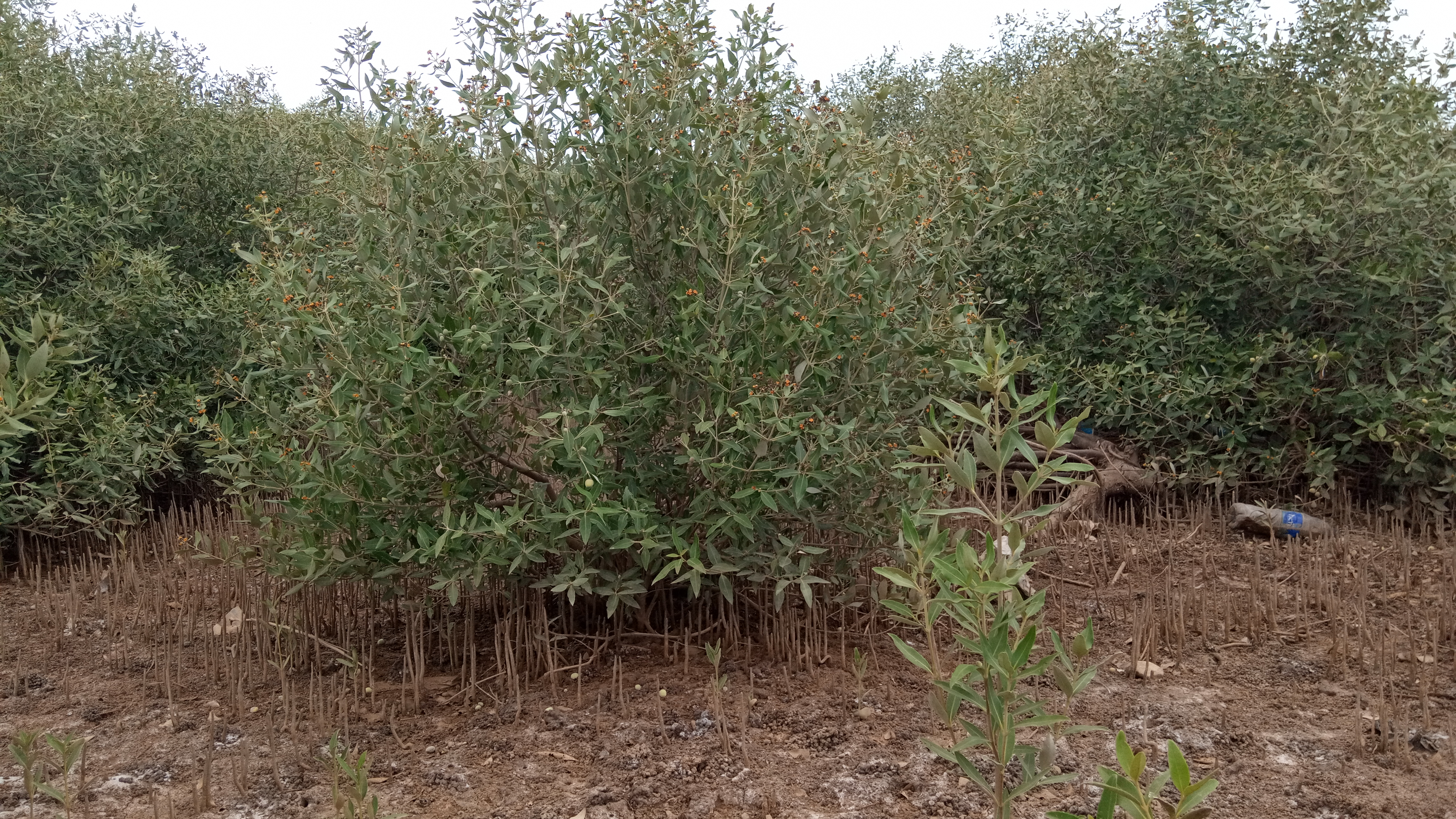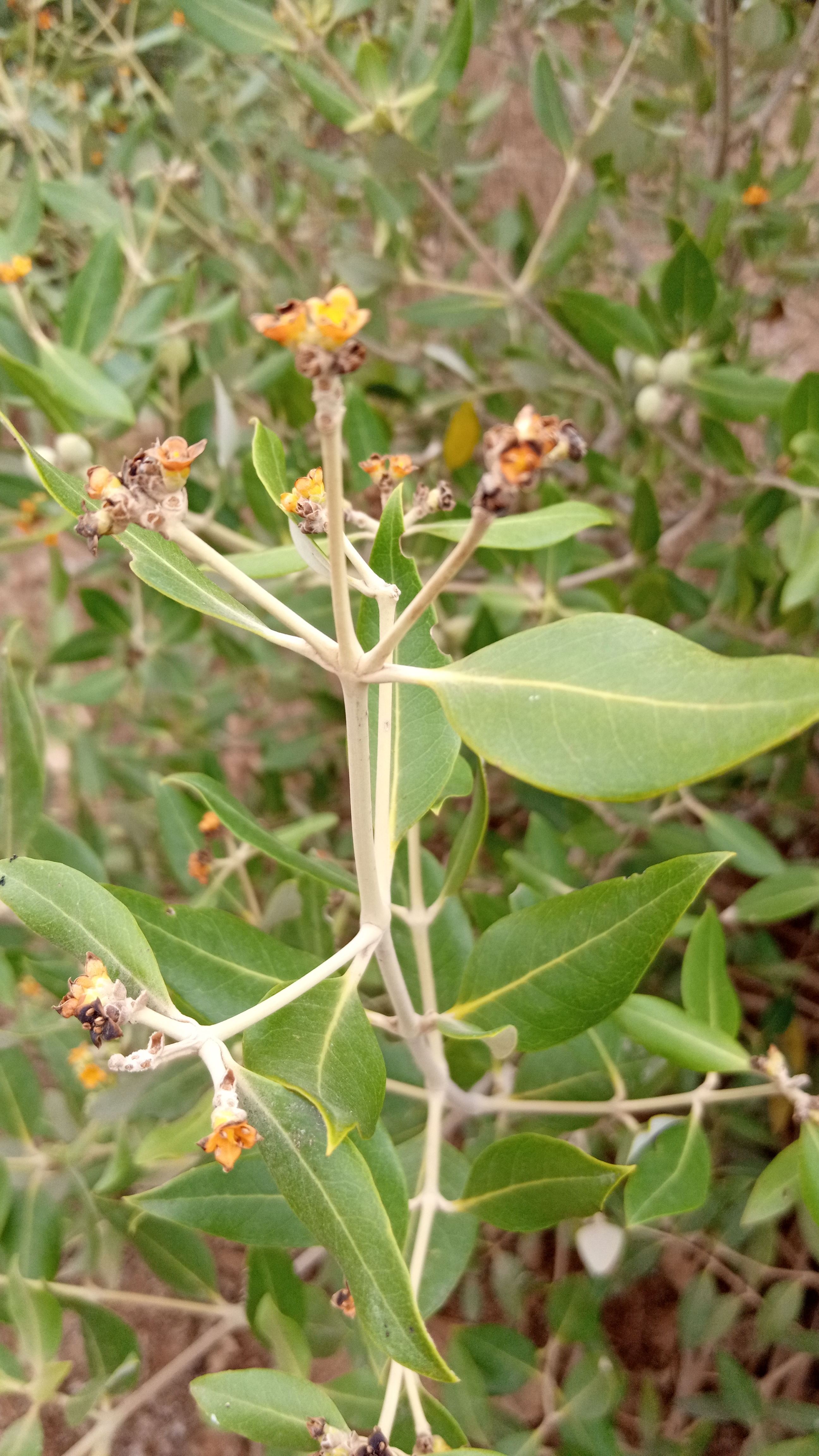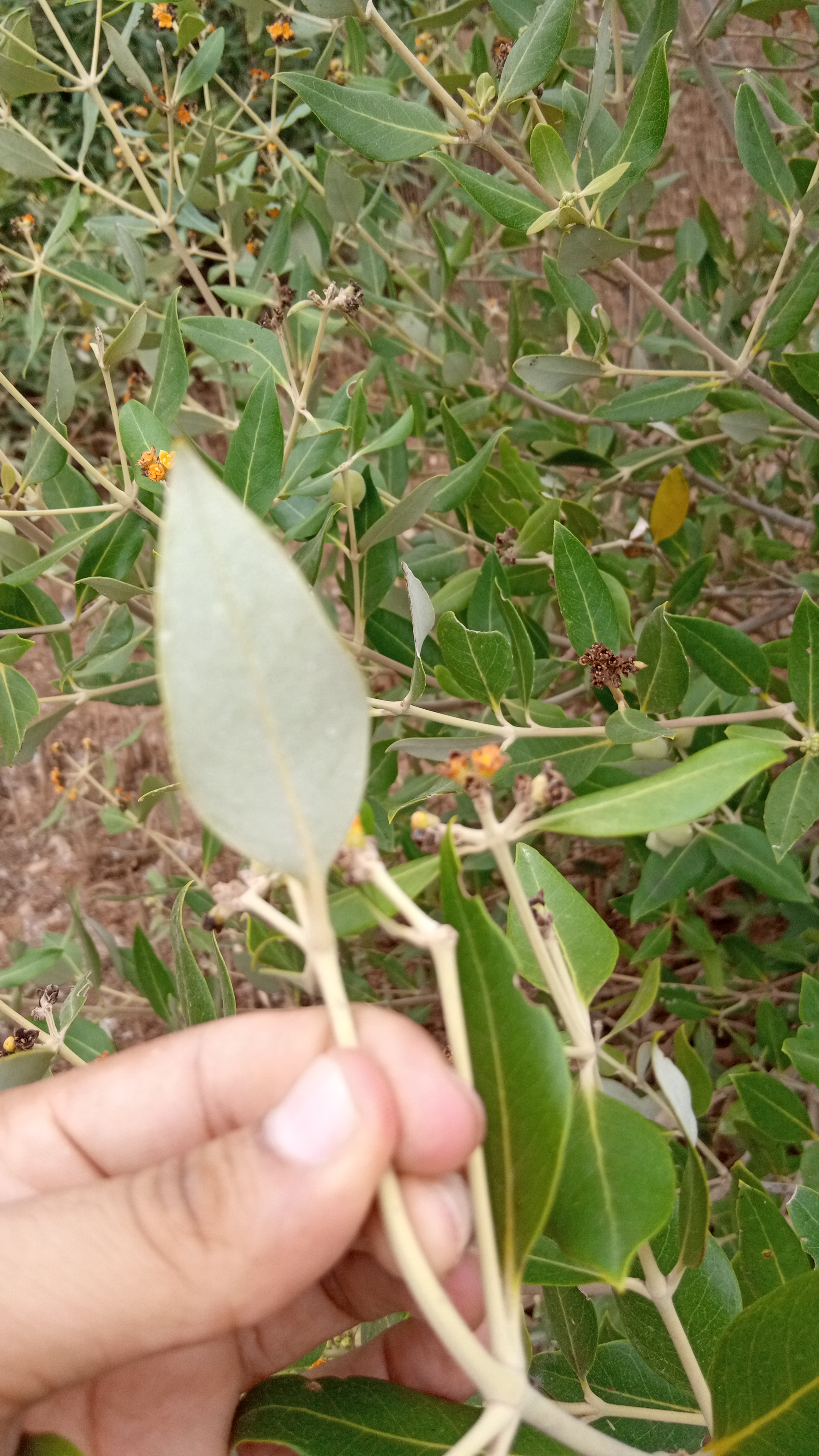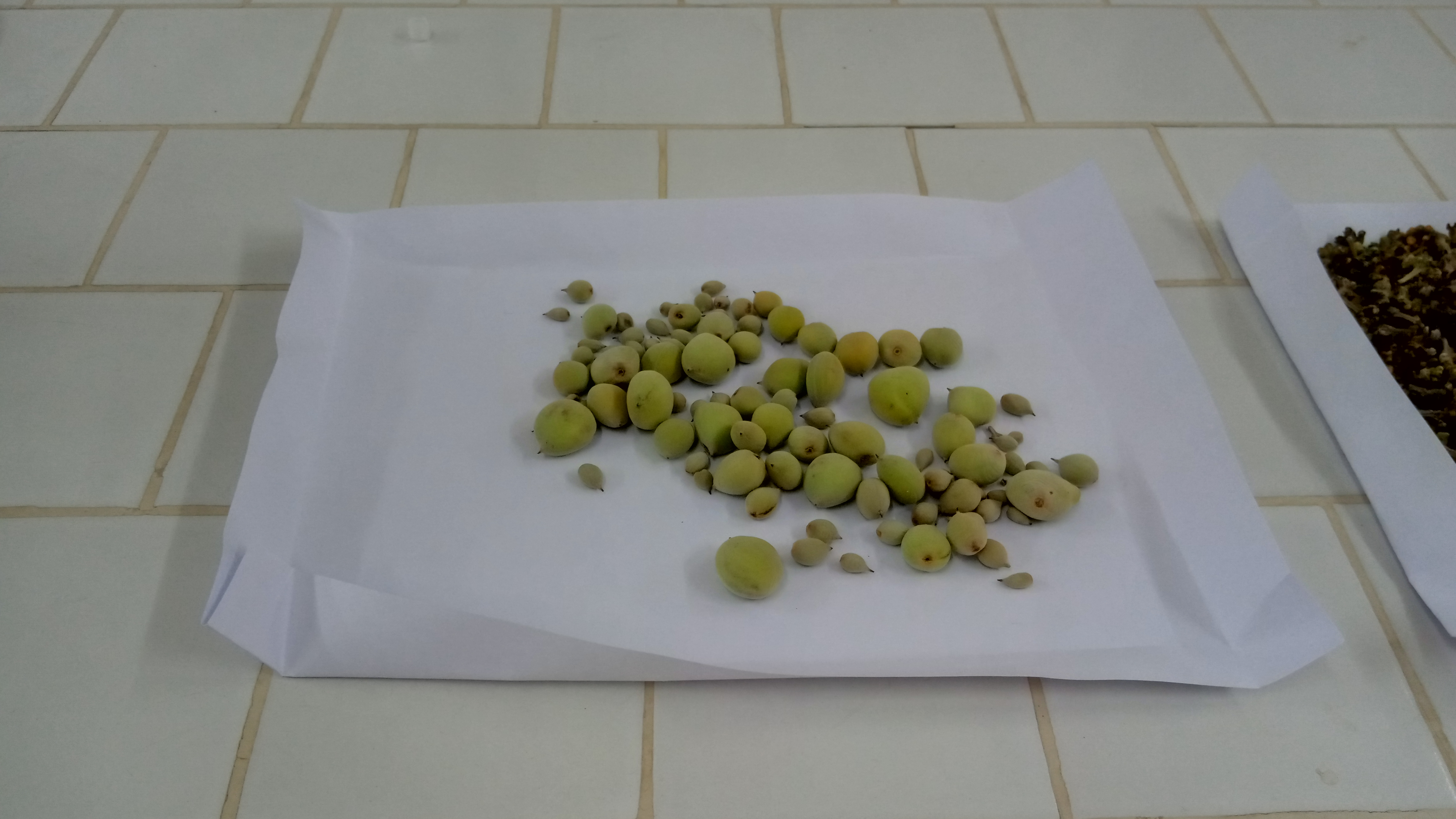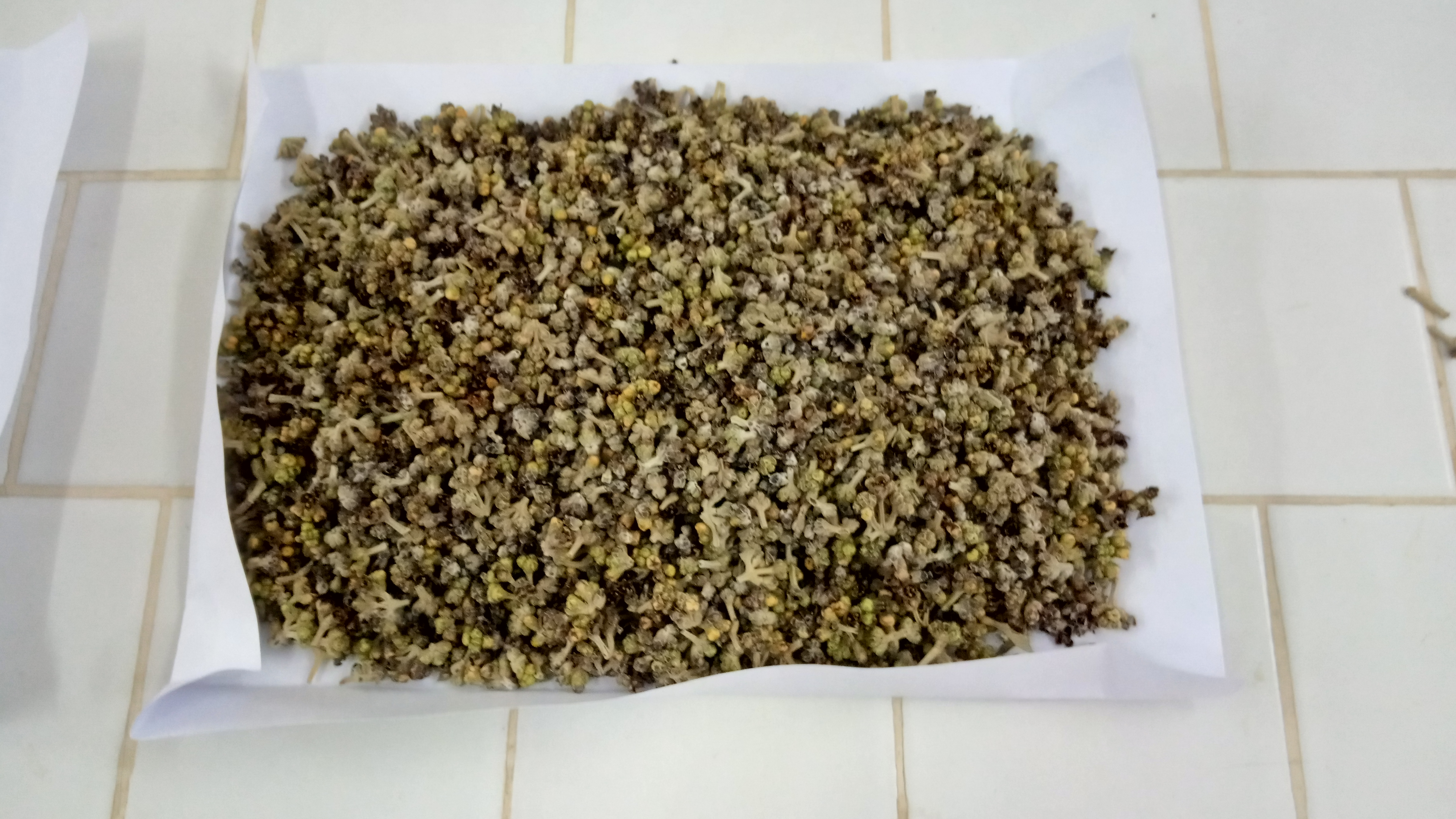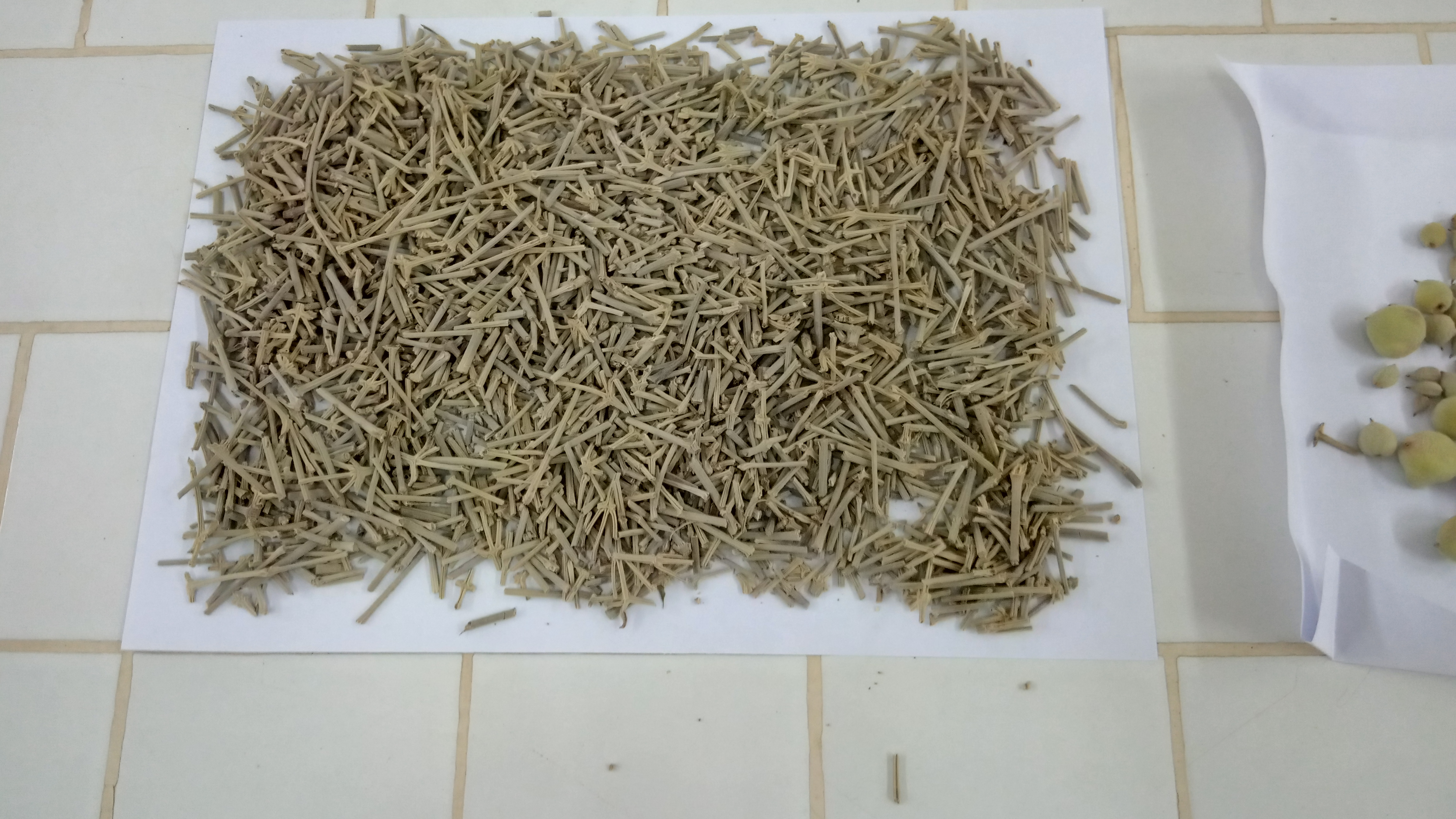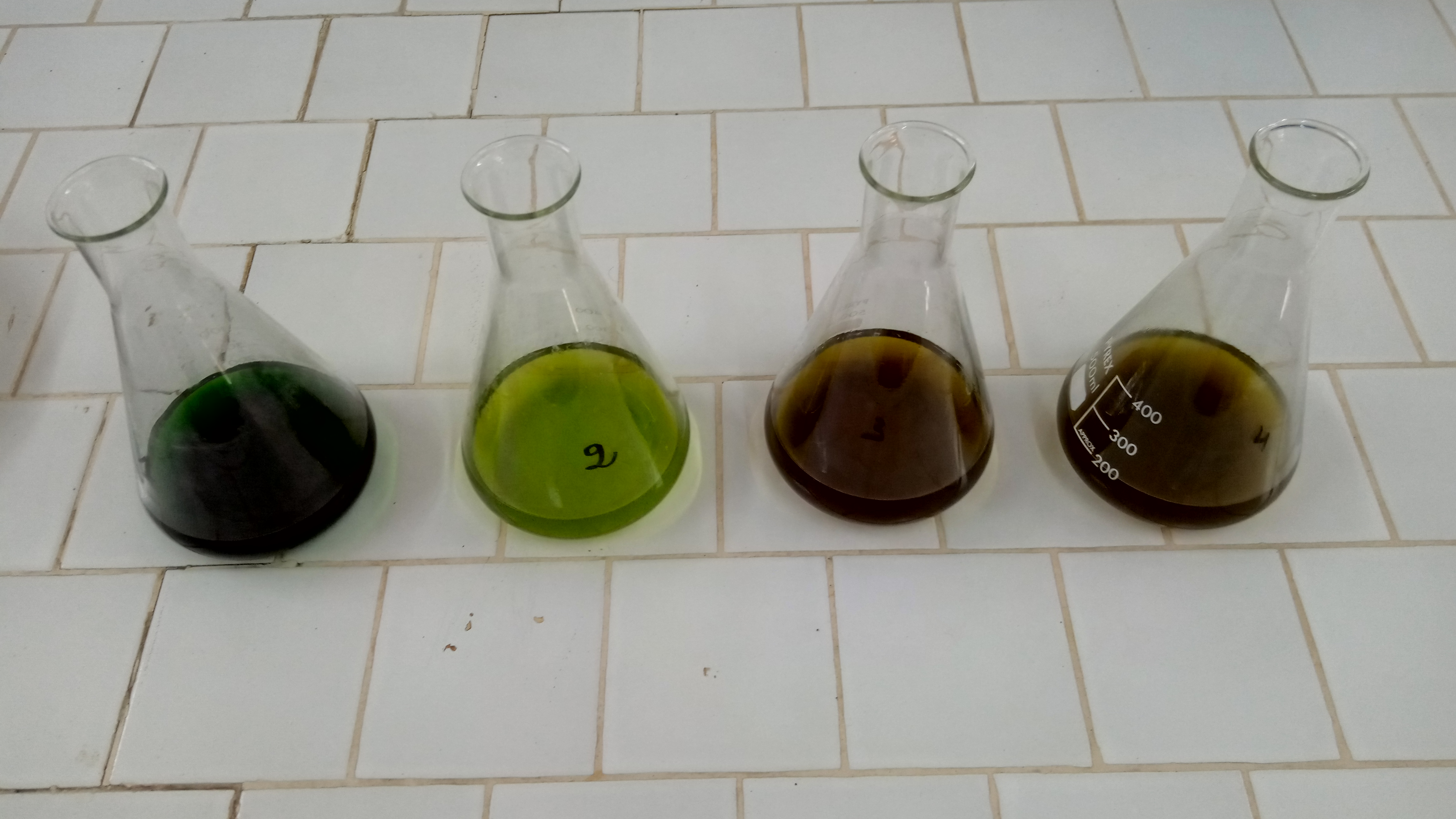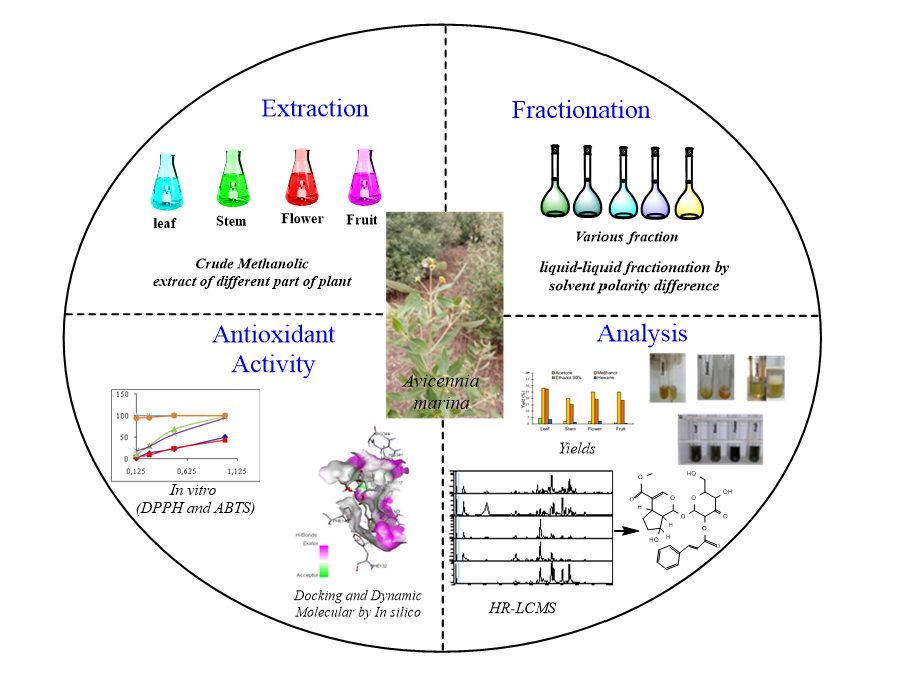
The aim of the present work is to study the phytochemical composition and the antioxidant capacity of the crude extracts and the fractions of extract giving the best antioxidant activity of Avicennia marina. The leaves contain high Total flavonoid contents (1.38 ± 0.03 μg QE/mg dry extract) compared to other parts of the plant; whereas fruits have the highest amount of Total polyphenol contents (TPC) which is equal to 45.47 ± 0.18 μg GAE/mg dry extract. Fat-soluble pigments are strongly present in the leaves of Avicennia marina i.e. β-carotene 64.1 µg/g, lycopene 186.7 µg/g, chlorophyll a 310.7 µg/g and chlorophyll b 148 µg/g dry matter. The crude methanolic flower extracts showed strong DPPH and ABTS radical scavenging activity with IC50 values of 0.30 and 0.33 mg/mL respectively compared to the leaf and stem methanolic extracts for the DPPH and ABTS models with a value IC50 greater than 1 mg/mL. The crude fruit extract shows good activity with the ABTS model unlike the DPPH model whose IC50 values are 0.95 and 0.38 mg/mL respectively. Fractionation improved the antioxidant effect of crude flower extract. The ethyl acetate fraction exhibits the best antioxidant activity for both DPPH and ABTS methods with a IC50 values of 0.125 and 0.16 mg/mL. The analysis by HR-LCMS/MS led to the identification of 13 compounds: 6 flavonoids and 7 iridoid glycosides compounds in the different parts of the plant. A preliminary bioinformatic study was performed to predict the role of three majority iridoids glycoside molecules in antioxidant activity.
Key words: Avicennia marina; Flavonoids; Iridoid glycosides; Antioxidant Activity; Molecular Docking and Dynamic.
Figures et illustrations